Labor Day Weekend 2026 Travel Guide: Top Destinations, Holiday History, and What’s Different This Year

The last big summer trip of 2026 lands late on the calendar. Labor Day falls on Monday, September 7, 2026, which gives travelers a long weekend from Friday, September 4 through Monday night. For many people, it will be the final swim, the final cookout, the final chance to squeeze in a road trip before school routines and fall schedules take over.
That familiar feeling is part of what makes the holiday powerful. Labor Day began as a tribute to workers, but it has also become one of America’s great travel markers. It closes out the summer season, fills beaches and campgrounds, and sends millions of people toward lakes, cities, national parks, and family gatherings.
In 2026, travel will look a little different. People are planning with more care, mixing shorter trips with bigger splurges, watching weather more closely, and choosing destinations that feel worth the effort. This guide covers the holiday’s roots, where travelers are likely to go, and how to plan a smarter Labor Day Weekend trip this year.

Labor Day began with workers, not weekend getaways
Labor Day started in the late 1800s, during a time when industrial work in the United States was often long, demanding, and dangerous. Labor unions and worker organizations pushed for better hours, safer conditions, and public recognition of the people who built the country’s railroads, factories, roads, ports, and cities.
The first Labor Day celebration is widely associated with a workers’ parade in New York City in 1882. Workers took unpaid time off to march, gather with their families, and make a public statement about dignity at work. Within the following years, more states began recognizing the holiday. In 1894, Labor Day became a federal holiday.
The timing mattered. A holiday in early September gave workers a break between Independence Day and Thanksgiving. It also landed at a natural turning point in the year. Summer heat began to ease in many regions. Schools were preparing to reopen. Agricultural rhythms, factory schedules, and family routines were shifting.
Travel was not the original focus, but it arrived naturally. As railroads expanded, city dwellers could reach beaches, resorts, lakes, and picnic grounds with less effort. Later, the rise of the automobile turned the holiday into a road trip weekend. Motels, diners, state parks, and roadside attractions became part of the ritual.
Today, the holiday carries both meanings. It honors work and workers, while also giving people a shared pause before fall.
How Labor Day travel evolved into a national habit
The travel side of Labor Day grew alongside changes in American life. In the early 20th century, paid time off was not guaranteed for many workers. A three-day weekend was a meaningful luxury. Families used it for reunions, parades, church picnics, and visits to nearby lakes or beaches.
After World War II, car ownership surged. The interstate highway system changed how far a family could go in a few days. A destination no longer had to be a train ride away. Travelers packed station wagons, stopped for burgers and ice cream, and claimed Labor Day as the last road trip of summer.
Air travel later widened the map again. A long weekend could mean New York, Las Vegas, Chicago, Miami, or a quick flight to the Rockies. Resorts built packages around the date. Cities scheduled festivals. College football added another reason to travel in late summer and early fall.
The holiday also changed because school calendars changed. In some regions, school starts before Labor Day. In others, the weekend still marks the clean break between summer freedom and fall structure. That split shapes how people travel. Some families now take shorter trips because school has already started. Others use the weekend as a final family escape before the academic year gets serious.

What makes 2026 different for travelers
Labor Day 2026 falls on September 7, the latest possible date for the holiday. That small calendar detail can affect the whole weekend.
A later date means some destinations may feel more like early fall than peak summer. In northern states and mountain towns, evenings may be cooler. In beach towns, some seasonal workers may have returned to school. In popular family areas, crowds may shift from school-age families to couples, friend groups, retirees, and remote workers stretching the weekend.
Here are the bigger differences likely to shape 2026 travel.
Travelers are planning around value, not just price
A cheap trip is not always the goal. More travelers are weighing what they get for the time, money, and effort. That can mean:
Choosing a driveable city instead of a crowded airport weekend
Booking a nicer hotel for two nights instead of a basic one for four
Picking a destination with free beaches, trails, museums, or festivals
Traveling at off-peak hours to lower stress
The best value in 2026 may come from places that do not require a complicated plan. Easy parking, walkable districts, good public spaces, and flexible dining can matter as much as a lower room rate.
Weather awareness is part of the planning
Late summer travel now comes with more attention to heat, storms, wildfire smoke, and coastal conditions. That does not mean avoiding travel. It means building a plan that can bend.
Beach travelers may look for destinations with indoor options nearby. Mountain travelers may check fire restrictions and air quality before committing to long hikes. City travelers may plan morning outdoor activities and save museums, restaurants, and shows for hotter parts of the day.
A good 2026 itinerary should include backup ideas that still feel enjoyable, not like leftovers.
Bleisure-style weekends keep growing
Many people now blend work flexibility with personal travel when they can. Around Labor Day, that may mean leaving Thursday night, working remotely on Friday morning, then turning the rest of the weekend into vacation. Others may stay through Tuesday to avoid the hardest return rush.
Not every job allows that flexibility, but for those who have it, traveling on Labor Day Weekend no longer has to mean fighting the same Friday-to-Monday pattern as everyone else.
Secondary destinations are gaining appeal
Major cities and famous beach towns will still be busy. Yet smaller cities, quiet lake regions, and less crowded park gateways have become more attractive. Travelers want atmosphere without spending half the trip in lines.
That is good news for places like Traverse City, Asheville, Boise, Santa Fe, Greenville, Madison, and coastal towns outside the best-known resort zones. These destinations often give travelers food, scenery, outdoor access, and culture without the pressure of a giant itinerary.
Top destinations for Labor Day 2026
The best destination depends on the kind of trip. Some travelers want salt air and seafood. Others want mountain trails, concerts, wineries, or one last theme park weekend. These destinations are strong choices because they match the season, have broad appeal, and offer enough variety for a three to four-day trip.
Destination type | Good 2026 picks | Why it works |
Beach escapes | Outer Banks, Cape Cod, San Diego, Gulf Shores | Classic late-summer feel, water access, casual dining |
Mountain trips | Asheville, Jackson Hole, Lake Tahoe, Park City | Cooler evenings, hiking, scenery, early fall mood |
Big-city weekends | Chicago, New York City, Washington, D.C., Seattle | Food, museums, waterfronts, concerts, easy short itineraries |
Lake getaways | Lake Michigan towns, Finger Lakes, Lake of the Ozarks, Lake Champlain | Boating, sunsets, wineries, cabins, family-friendly pacing |
National park areas | Acadia, Rocky Mountain, Grand Teton, Great Smoky Mountains | Iconic scenery, but best with early starts and reservations |
Festival and food trips | New Orleans, Austin, Nashville, Charleston, Portland, Maine | Strong dining scenes and live music with long-weekend energy |
Beach towns still lead the late-summer list
Beaches define Labor Day for many travelers. The mood is casual, and the plan is simple: swim, nap, eat seafood, repeat.
For 2026, the later date may make some northern beaches especially appealing. The ocean can still be comfortable in many coastal areas, while the air may feel less intense than mid-July. Cape Cod, the Jersey Shore, coastal Maine, and the Outer Banks all fit that late-summer sweet spot.
On the West Coast, San Diego offers one of the easiest beach-and-city combinations. Travelers can mix beach time with Balboa Park, harbor walks, tacos, and sunset views.
Mountain towns offer a cooler reset
Mountain trips work well for travelers who want a break from heat and crowds. Asheville gives access to the Blue Ridge Parkway, breweries, arts districts, and waterfall hikes. Park City has trails, patios, and a relaxed late-summer rhythm. Lake Tahoe combines clear water with mountain views, though traffic and parking need planning.
For national park gateways, reservations and early starts matter. The most famous trails and viewpoints can still draw major crowds. A smarter approach is to choose one anchor activity each day, then leave space for scenic drives, picnic stops, and quieter trails.

Cities make the weekend easy
A city trip often works best when time is short. Flights may be direct, hotels are plentiful, and there is no need to build the whole weekend around one type of weather.
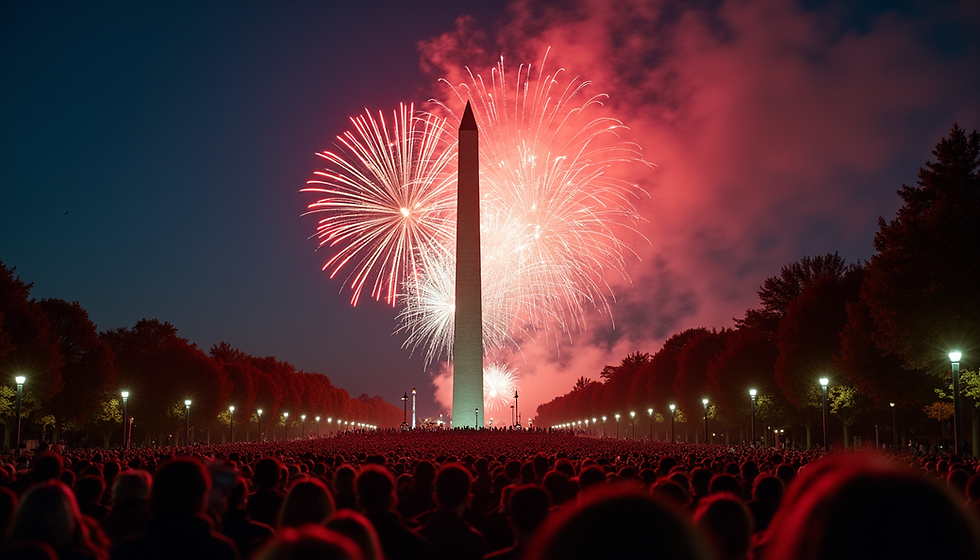
Chicago is a strong Labor Day choice because the lakefront, neighborhoods, museums, and food scene can fill three days without much effort. New York City suits travelers who want shows, restaurants, parks, and late-night energy. Washington, D.C. offers monuments, free museums, and walkable neighborhoods, though warm weather may still shape the schedule.
Seattle can be a smart pick in early September, with waterfront views, ferry rides, markets, and nearby nature. The city also works well for travelers who want urban comfort without giving up outdoor options.
Lake trips are the middle ground
Lake destinations hit a sweet spot between beach and cabin. They can be social or quiet, active or lazy. The Finger Lakes offer wineries, waterfalls, small towns, and water views. Lake Michigan towns such as Saugatuck, Holland, Traverse City, and Door County bring beaches, dunes, orchards, and walkable main streets.
For families or groups, lake houses can simplify the weekend. Meals are easier, schedules are looser, and the trip can feel more personal than a hotel stay.
How to plan a better 2026 holiday trip
The biggest mistake with a long weekend is trying to make it feel like a full vacation. Three or four days can be satisfying, but only if the plan is realistic.
Start by picking the main purpose of the trip. If the goal is rest, do not build a packed schedule. If the goal is food and nightlife, stay near the neighborhoods that matter. If the goal is hiking, choose lodging close to the trailheads rather than saving a little money far away.
A few practical moves can make the weekend smoother:
Book earlier for small towns and beach areas
Limited lodging can fill fast, especially for waterfront homes and family-sized rooms.
Travel outside the peak window
Thursday evening, early Friday, late Monday, or Tuesday morning can be easier than the busiest return periods.
Check event calendars before booking
Festivals and college football games can raise demand, which may affect hotel availability and traffic.
Choose one must-do activity per day
Leave the rest flexible. Long lines, weather, and group energy can change the plan.
Build in a soft landing
If school or work starts Tuesday, returning late Monday night can make the whole trip feel harder than it needs to.
For road trips, pack patience along with snacks and chargers. Traffic will cluster near coastlines, lake towns, mountain gateways, and major cities. A scenic stop or early dinner can turn a slow drive into part of the trip instead of a problem.
What to expect at airports, hotels, and roads
Airports will likely see heavy holiday traffic, especially on Friday and Monday. Travelers with early flights should still allow extra time for parking, bag drop, and security. If a connection is necessary, a longer layover can reduce stress during a busy weekend.
Hotels may use minimum-night stays in popular leisure markets. Vacation rentals may also set stricter check-in rules. Read cancellation policies carefully, especially for coastal or mountain areas where weather could affect plans.
On the road, the hardest stretches are often predictable: outbound traffic near big cities on Friday and return traffic on Monday afternoon. Leaving at odd times can help, but it will not remove every delay. The better plan is to reduce pressure. Avoid booking a nonrefundable dinner right after a long drive. Do not schedule a tight airport arrival after coming back from a beach town.

The best Labor Day 2026 trips will feel intentional
Labor Day travel has always reflected the country’s rhythms. It began as a holiday for workers, grew with trains and highways, expanded through air travel, and settled into its modern role as summer’s closing chapter.
In 2026, the smartest trips will not be the most crowded, expensive, or ambitious. They will be the ones that match the moment. A beach weekend with no agenda. A cooler mountain escape. A city stay built around food and museums. A lake house where everyone can slow down.
Choose the destination that fits the time you have, plan around the busiest travel windows, and leave enough open space to enjoy the reason the holiday exists in the first place: a well-earned pause. Check out our latest podcast on this holiday as well!

$50
Product Title
Product Details goes here with the simple product description and more information can be seen by clicking the see more button. Product Details goes here with the simple product description and more information can be seen by clicking the see more button

$50
Product Title
Product Details goes here with the simple product description and more information can be seen by clicking the see more button. Product Details goes here with the simple product description and more information can be seen by clicking the see more button.
$50
Product Title
Product Details goes here with the simple product description and more information can be seen by clicking the see more button. Product Details goes here with the simple product description and more information can be seen by clicking the see more button.


Comments