How Wellness Travel Boosts Health and the Rise of Retreats and Resorts

August arrives with a useful reminder: feeling well is not a luxury project for “someday.” National Wellness Month puts the focus on daily habits, rest, stress relief, movement, and mental balance. Travel can support all of those, especially when a trip is designed around more than sightseeing.
A wellness-focused trip does not have to mean a silent mountaintop retreat or a high-end resort with a long spa menu. It can be a beach weekend where sleep comes first, a national park trip built around hiking, a yoga retreat, a mineral springs getaway, or a quiet cabin where the main plan is to unplug.
The growing interest in wellness travel reflects a bigger shift. Many travelers want to return home restored, not drained. They want trips that help them sleep better, move more, eat well, reconnect with nature, and reset their pace.
This article is informational only and is not medical advice. Anyone managing a health condition should talk with a qualified health professional before booking an intensive retreat, fasting program, strenuous itinerary, or treatment-based stay.

Why travel can support real wellness
Travel changes the routine. That alone can create space for better habits. At home, stress can hide in familiar patterns: checking email late, skipping walks, sleeping poorly, or rushing through meals. A well-planned trip interrupts that cycle.
The biggest wellness benefits often come from simple shifts.
Better sleep
Hotels, resorts, and retreats that focus on rest often build the day around sleep-friendly rhythms. That might mean quiet hours, blackout curtains, no late-night entertainment near rooms, calming evening rituals, or a schedule that does not start at dawn unless guests choose it.
Even outside a formal retreat, travel can help people take sleep more seriously. A trip with fewer obligations makes it easier to go to bed on time, wake without an alarm, and notice how the body feels with real rest.
More natural movement
Travel encourages movement without making it feel like a workout. Walking through a new city, swimming in the ocean, hiking a trail, biking a scenic path, or taking a morning yoga class all add activity to the day.
This is one reason wellness trips appeal to people who do not enjoy traditional fitness settings. Movement feels connected to place. A sunrise walk on the beach feels different from a treadmill session, even if both support the body.
Less screen time
Many travelers are tired of being reachable every hour. Wellness resorts and retreats often make unplugging easier. Some offer phone-free zones. Others encourage guests to leave devices in the room during meals, classes, spa treatments, and guided activities.
A few days with fewer notifications can make a noticeable difference in mood and attention. The goal is not to reject technology. It is to remember what it feels like to be present.
Time in nature
Research has long suggested that time outdoors can support reduced stress and improved mood. Travel makes nature easier to prioritize, especially when a trip centers on beaches, mountains, forests, lakes, deserts, or hot springs.
Nature also lowers the pressure to “do” constantly. Watching waves, sitting by a fire, listening to birds, or floating in warm mineral water can slow the nervous system in a way that packed itineraries rarely do.
National Wellness Month is a good reason to rethink the vacation
August is an interesting time for a wellness reset. Summer can be joyful, but it can also be overstimulating. Family schedules shift. Travel peaks. Heat can drain energy. Work may feel tense before fall routines return.
National Wellness Month offers a timely check-in.
Instead of asking, “Where should I go next?” the better question may be, “How do I want to feel when I come back?”
That question changes the entire trip.
A traveler who wants energy might choose a hiking lodge, surf camp, or cycling-focused getaway. Someone who needs quiet may prefer a spa resort, lake cabin, or meditation retreat. A traveler dealing with burnout may look for a gently structured program that includes rest, nourishing meals, bodywork, and time outdoors.
This approach does not remove fun from travel. It makes fun more personal. A wellness trip can still include great food, beautiful views, local culture, and memorable experiences. The difference is that the itinerary supports the nervous system rather than overloading it.

The rise of wellness resorts and retreats
The popularity of wellness trips has grown because travelers are asking for more thoughtful experiences. A standard vacation can be relaxing, but it can also involve late nights, heavy meals, crowded attractions, and the pressure to see everything. Wellness resorts and retreats offer a different promise: come here to feel better.
That promise can take many forms.
Wellness resorts
A wellness resort usually combines hospitality with health-focused amenities. Guests can often choose from spa treatments, fitness classes, fresh dining options, pools, saunas, nature activities, and relaxation spaces.
Some resorts are fully wellness-centered. Others are traditional resorts with strong wellness programs. The best ones make wellbeing feel built into the stay rather than added as an afterthought.
Common features include:
Spa treatments such as massage, facials, hydrotherapy, or body scrubs
Fitness classes like Pilates, strength training, stretching, or aqua fitness
Mindfulness sessions, breathwork, sound baths, or yoga
Nutritious meals with options for different dietary needs
Outdoor activities such as hiking, kayaking, paddleboarding, or guided nature walks
Sleep-supportive rooms and quiet design
Resorts work well for travelers who want comfort, flexibility, and choice. One guest may book daily spa treatments while another joins morning hikes and cooking classes. People traveling with a partner or friend often like this format because it allows different wellness styles within the same property.
Wellness retreats
A retreat is usually more structured. It often has a theme, a set schedule, and a shared purpose. Guests may arrive on the same day, follow the same program, and participate in group sessions.
Retreats can focus on yoga, mindfulness, creative rest, grief support, fitness, nutrition, hiking, spirituality, digital detox, or personal growth. Some are quiet and reflective. Others are active and social.
The retreat format appeals to travelers who want guidance. Instead of deciding what to do each day, guests follow a rhythm that supports the goal of the trip.
A typical retreat day might include:
Morning stretch or yoga
A nourishing breakfast
Guided journaling, meditation, or a workshop
Free time for rest or nature
A group meal
An afternoon activity
A quiet evening session
The group setting can also be meaningful. Many people appreciate being around others who are taking rest seriously. That shared intention can make the experience feel safe and grounding.
Destination spas
Destination spas sit somewhere between resorts and retreats. They are usually immersive properties where the whole stay centers on wellness. Guests may receive personalized schedules, spa treatments, fitness plans, nutrition guidance, and wellness consultations.
These stays can be more expensive, but they are popular with travelers looking for a reset that feels comprehensive. The value comes from having meals, movement, treatments, and relaxation all in one place.
Hot springs and mineral resorts
Hot springs have attracted travelers for centuries. Today, mineral springs resorts remain popular because they combine relaxation, nature, and a strong sense of place.
These properties may offer soaking pools, thermal baths, saunas, cold plunges, massage, and quiet outdoor spaces. The appeal is simple: warm water, fresh air, and permission to slow down.
Adventure wellness trips
Not all wellness travel is quiet. For many people, wellbeing comes through challenge, movement, and confidence. Adventure wellness trips may include hiking, surfing, skiing, climbing, horseback riding, kayaking, or cycling.
The key is balance. A true wellness-oriented adventure trip includes recovery, good food, sleep, and space to enjoy the surroundings. It should not feel like a race from one activity to the next.
What travelers are looking for now
The rise of wellness resorts and retreats is not only about spa treatments. It reflects changing priorities.
Many travelers are choosing trips based on how they want to feel. They are looking for places that support:
Stress recovery
Stress is one of the biggest reasons travelers seek wellness-focused stays. A trip can create distance from daily pressure, but the setting matters. Quiet rooms, gentle schedules, natural surroundings, and calming services all help.
Mental clarity
Some travelers use vacations to make decisions, process change, or regain focus. Retreats that include journaling, mindfulness, coaching, or silent time can support this type of reset.
Connection
Wellness is not always solitary. Group retreats, couples spa weekends, family wellness resorts, and women’s or men’s retreats can help people reconnect with others in healthier ways. Shared meals, outdoor activities, and low-pressure conversations often feel more meaningful than busy entertainment.
Healthy routines
A good wellness trip can remind travelers what habits they want at home. A few days of walking after breakfast, drinking more water, stretching before bed, or practicing exercise and meditation can make those habits feel more realistic after the trip ends.
Food that feels good
Wellness dining has moved far beyond bland “spa food.” Many resorts now focus on fresh, local, seasonal meals. The best menus feel satisfying, not restrictive. They may include plant-forward dishes, lean proteins, whole grains, fresh seafood, smoothies, herbal teas, and thoughtful treats.
Travelers are also seeking more transparency. They want to know what is included, how intense the program is, whether alcohol is served, whether meals address allergies, and whether the property welcomes beginners.
How to choose the right wellness trip
The best wellness trip is the one that matches the traveler’s true need. A silent retreat may be perfect for one person and stressful for another. A boot camp may energize one guest and exhaust someone who needs rest.
Start with the desired outcome.
If the goal is | A good fit may be |
Better sleep | Quiet resort, spa hotel, beach stay, cabin retreat |
Stress relief | Nature resort, hot springs, yoga retreat, mindfulness weekend |
More movement | Hiking lodge, surf camp, cycling trip, active resort |
Emotional reset | Guided retreat, journaling retreat, meditation center |
Social connection | Group retreat, small wellness tour, resort with classes |
Comfort and flexibility | Wellness resort with optional programming |
Next, study the schedule. Look at the daily pace, not just the photos. A retreat with five sessions a day may sound enriching, but it can feel full. A resort with optional activities may be better for someone who needs unscheduled rest.
Read the descriptions carefully. Words like intensive, transformational, advanced, detox, and challenge may signal a stronger program. Words like restorative, gentle, beginner-friendly, and self-paced suggest a softer experience.
Ask practical questions before booking:
How much free time is built into the day?
Are meals included?
Can dietary needs be accommodated?
Are classes suitable for beginners?
What is the cancellation policy?
Is transportation available from the nearest airport?
Are spa treatments included or extra?
What should guests pack?
Is the stay quiet, social, or a mix of both?
For any program involving fasting, supplements, intense heat or cold exposure, strenuous training, or medical-style treatments, extra caution is wise. Look for qualified staff, clear safety information, and honest descriptions.
How to bring the benefits home
A wellness trip should not end the moment the suitcase is unpacked. The best souvenir is a small habit that survives real life.
That might be:
A 10-minute morning walk
A phone-free breakfast
Stretching before bed
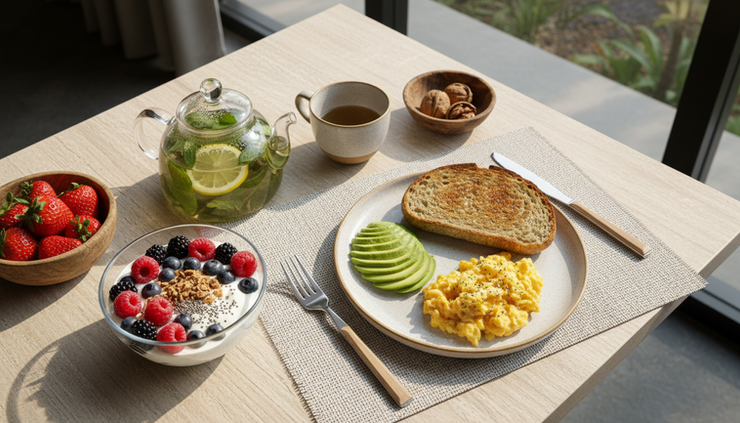
Herbal tea instead of late caffeine
One weekly nature outing
A slower Sunday routine
A simple breathing practice during stressful moments
The habit should be small enough to keep. A retreat may inspire big changes, but daily life rewards realistic ones. Travelers often succeed when they choose one or two practices instead of trying to recreate the whole resort experience at home.
It also helps to notice what worked during the trip. Was it the quiet? The movement? The food? The lack of rushing? The social connection? The time outdoors?
That answer can guide future travel and everyday choices.
The future of wellness-focused travel
Wellness trips are likely to keep growing because they answer a real need. People are more aware of burnout, sleep, mental health, and the toll of constant connectivity. They are also more selective with travel spending. If a trip takes time, energy, and money, it should give something meaningful back.
The strongest resorts and retreats will be the ones that avoid empty promises. Travelers are becoming better at spotting vague claims. They want skilled practitioners, clear programs, beautiful settings, flexible options, transparent pricing, and a tone that feels welcoming rather than intimidating.
The future will likely include more nature-based stays, more sleep-focused offerings, more solo travel options, more retreats for beginners, and more properties that blend local culture with wellbeing. A desert sound bath, a mountain hiking retreat, a coastal spa weekend, and a city hotel with strong recovery amenities can all serve different needs.
The common thread is intention.
A wellness trip does not need to fix everything. It can simply create room to rest, move, breathe, eat well, notice beauty, and return with a steadier rhythm. During National Wellness Month, that may be the most useful travel goal of all: not to escape life, but to come back better prepared to live it.

$50
Product Title
Product Details goes here with the simple product description and more information can be seen by clicking the see more button. Product Details goes here with the simple product description and more information can be seen by clicking the see more button

$50
Product Title
Product Details goes here with the simple product description and more information can be seen by clicking the see more button. Product Details goes here with the simple product description and more information can be seen by clicking the see more button.
$50
Product Title
Product Details goes here with the simple product description and more information can be seen by clicking the see more button. Product Details goes here with the simple product description and more information can be seen by clicking the see more button.


Comments